Get MFA, You need MFA, MFA is necessary?! Isn’t that all what you have been hearing these days.
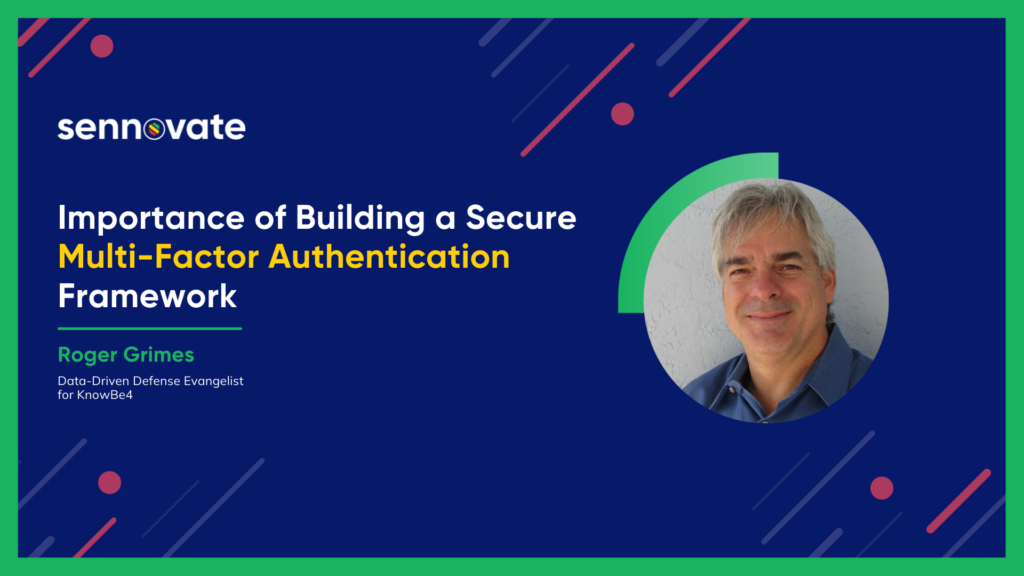
What is MFA, exactly? Multi-Factor Authentication (MFA) is an authentication mechanism that requires a user to give two or more verification factors in order to get access to a resource such as an application or an online account. A robust identity and access management (IAM) policy must include multi-factor authentication. MFA needs one or more extra verification criteria in addition to a login and password, which reduces the chances of a successful cyber attack. There are different types of Authentication, let’s take a look at each one below: Single Factor: SFA (Single-Factor Authentication) is the most basic type of authentication. SFA is a method of logging users into resources by requiring them to provide only one form of identification. The most common type of SFA is username and password. Two Factor: Two-factor authentication employs the same password/username combination as single-factor authentication, but adds the need of confirming a person’s identity by using something only he or she possesses, such as a mobile smartphone. Simply said, it verifies a person’s identification using two elements. Multifactor: Multi-factor authentication entails a combination of three factors: what you know, what you have, and who you are. Did you know there are different types of Hacks that can happen even if you have MFA. Let’s understand about these hacks from Roger Grimes and protect our organization against them.- Network Session Hijacking:
- SMS based MFA:
- Social Engineer Tech Support:
Any MFA solution that can be easily social engineered or man-in-the-middled around should be avoided. MFA based on SMS or voice calls is not recommended. Not all MFAs are phishing-proof. Make an informed decision about your MFA. Finally, everyone should be educated on how to avoid MFA attacks.
Having any doubts or want to have a call with us to know more about MFA solutions?
Contact us right now by clicking here, Sennovate’s Experts will explain everything on call in detail.
You can also write a mail to us at [email protected] or call us on +1 (925) 918-6618.
About Sennovate
Sennovate delivers custom identity and access management (IAM) and managed security operations center (SOC) solutions to businesses around the world. With global partners and a library of 2000+ integrations, 10M+ identities managed, we implement world-class cybersecurity solutions that save your company time and money. We offer a seamless experience with integration across all cloud applications, and a single price for product, implementation, and support.Related Articles
Customer Identity and Access Management for Secure B2B Collaboration
In 2026, the modern enterprise operates not as an isolated entity, but as a dynamic...